
Many years ago, I was working on a degree in Criminal Justice. This woman wrote an article and suggested that most of those currently sitting on death row were not motivated by evil or given the opportunity for free will but were individuals who had suffered brain damage.
I was outraged. I knew for a fact that people killed because they wanted to, because they were bad, awful human beings. I was completely, totally sure.
Then I read her research. The prison authorities had given her access to skull x-rays of their heads. Almost without exception, there was dramatic evidence of skull fractures and other damage. The only way I could be right if by some intellectual trick I could conclude that the evidence didn’t matter. I didn’t have and don’t have any such tricks.
The evidence was clear. There was a connection between serious wrong doing and damage to the brain as evidenced by skull fractures.
I was wrong. It bothered and still bothers me that I could be so wrong.
And the comfort, such as it is, that I saw my error and embraced truth is the correct attitude to take. But I would have enjoyed being right so much more and there lies the problems for all of us.
The truth demands a lot of us. It demands time, attention, humility and a willingness to change. Just one of those is tough, all of them is a maze of difficulty for a personality.
Many times since that lesson, I have had to change my beliefs and adopt new paths. And from time to time in I run into previous versions of me and what I said about a subject that later turned out to be wrong. Still hate it. But the path of righteousness is only accessible to those willing to admit their mistakes.
James Alan Pilant
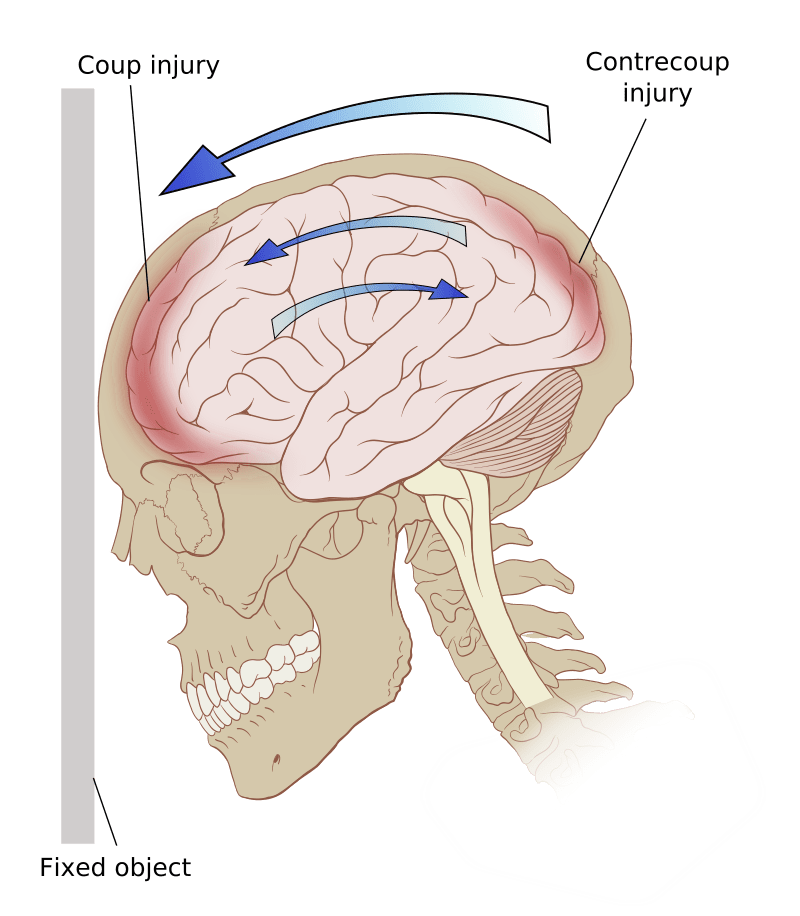
(The picture above is from wikipedia who I think very kindly and add the attribution they wanted: Patrick J. Lynch, medical illustrator – Modified version of Image:Skull and brain normal human.svg)
 Pilant's Business Ethics Blog

Pingback: Being Wrong – Pilant's Business Ethics Blog